Housing Safety
Santa Clara University takes the health and safety of its students extremely seriously.
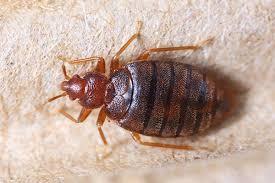 Santa Clara University uses an integrated Pest Management Control (PCP) to deal with all pests including bed bugs. An integrated PCP relieves on a combination of practices including reducing hiding spots for bed bugs, heat treatments and pesticides (as needed) to treat bed bugs.
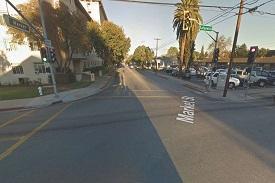
During the course of an average day at Santa Clara University there may be as many 10,000 people traveling on or near campus - in cars, motorcycles, mopeds, bicycles, skateboards, scooters or on foot. This makes the main campus and surrounding area potentially hazardous if you do not pay attention.
Nighttime driving only accounts for 25% of all driving and there is usually significantly less traffic during these hours. However, driving at night is more of a challenge than many people think. It is also more dangerous:
- Traffic death rates are three times greater at night than during the day
- 55% of all driving fatalities occur after dark
- 62% of pedestrian fatalities occur at night
Despite these figures, many of us are not aware of the unique hazards or special precautions associated with night driving.
 There are many things you can do to protect yourself and others in a Residential Learning Community. (RLC) at Santa Clara University.
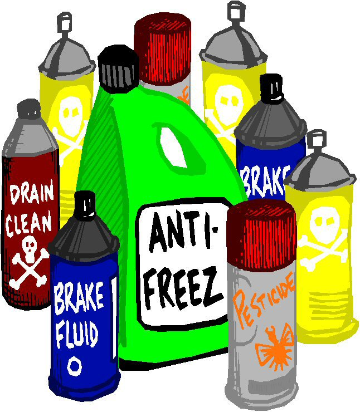
Due to the extreme dangers presented by fire hazards in student rooms, the University will continually monitor all living areas through visits by the Residence Life Staff.